
- COMMERCIAL GARAGE DOOR REPAIR
- GARAGE DOOR OPENER INSTALLATION
- GARAGE DOOR SPRING REPAIR
- SAME-DAY GARAGE DOOR REPAIR
- CUSTOM GARAGE DOOR
- GARAGE DOOR OPENER REPAIR
- GARAGE DOOR TRACK REPAIR
- GARAGE DOOR CABLE REPAIR
- GARAGE DOOR PANEL REPAIR
- LOCAL GARAGE DOOR REPAIR
- GARAGE DOOR REPLACEMENT
- NOISY GARAGE DOOR FIX
- GATE REPAIR
- GARAGE DOOR INSTALLATION
- GARAGE DOOR SECTION REPLACEMENT
- OVERHEAD GARAGE DOOR REPAIR
Garage Door Spring Replacement & Safety Guide
The sound of a garage door spring snapping is unmistakable. It often sounds like a loud gunshot or a firecracker exploding inside your garage, followed by the sudden inability to open the door. This metal coil is the muscle behind your garage door’s operation, bearing the immense tension required to lift a heavy barrier that can weigh hundreds of pounds. When it fails, your daily routine comes to a grinding halt. While many homeowners pride themselves on handling household maintenance, spring replacement is a task that carries significant risk due to the high tension involved. AL Garage Door Repair Services recommends treating this situation with caution to avoid injury or further damage to your property. Understanding how these components work and why they fail is the first step toward getting your door back on track.
The Mechanics Behind the Heavy Lifting
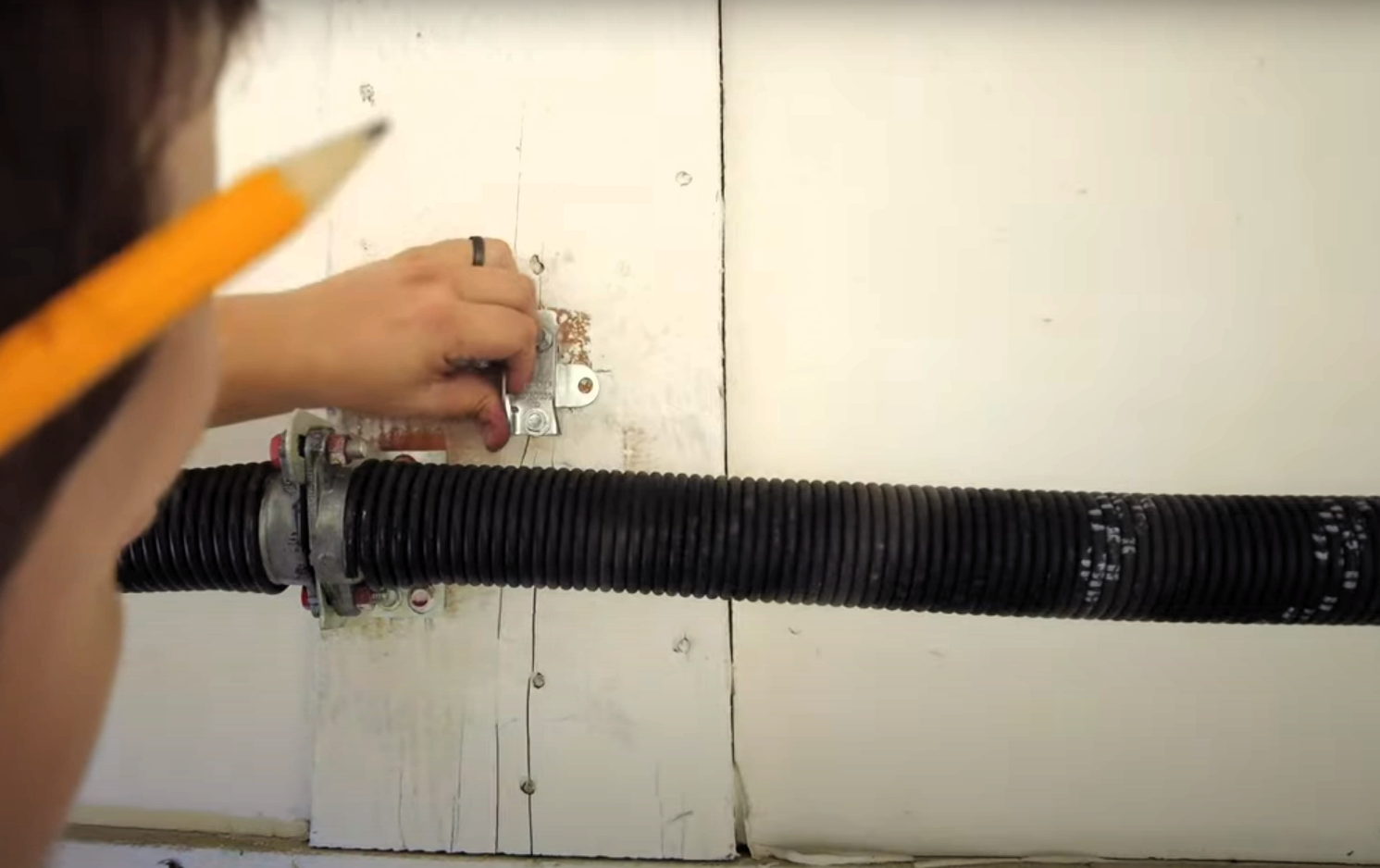
Most residential garage doors rely on one of two types of spring systems: torsion springs or extension springs. Torsion springs are typically mounted horizontally above the door opening. They wind and unwind to create torque, which lifts the door. Extension springs, on the other hand, run parallel to the track on either side of the door and stretch to provide lifting power.
Regardless of the type, every spring has a rated cycle life. A “cycle” constitutes one full opening and closing of the door. Standard builder-grade springs are often rated for about 10,000 cycles. While that sounds like a high number, a busy family coming and going multiple times a day can burn through those cycles in just a few years.
Several factors accelerate wear and tear. Rust is a primary enemy of metal coils; it increases friction and weakens the steel structure. Cold weather can also make the metal brittle, leading to sudden snaps during winter months. Furthermore, a lack of regular maintenance—specifically the failure to lubricate the coils—can shorten their lifespan significantly. When the spring reaches the end of its life, the metal simply fatigues and separates.
Identifying Signs of Failure and Immediate Needs
How do you know for sure if the spring is the culprit? The most obvious visual cue for a torsion system is a clear two-inch gap in the coil mounted above the door. The spring will look separated into two distinct pieces. For extension springs, you might see hanging pieces or notice the safety cables are loose.
Functionally, the door will behave very differently. If you have an electric opener, it may hum and try to pull the door up but stop after a few inches because the weight is too great. If you attempt to lift the door manually (which you should do carefully), it will feel incredibly heavy—dead weight that you cannot easily move.
This situation often traps vehicles inside the garage, leaving homeowners stranded. When your car is stuck and you have places to be, this scenario qualifies as a need for emergency garage door repair. Trying to force the door open with a broken spring can burn out your opener’s motor or cause the door to come off its tracks, turning a single part replacement into a costly system overhaul.
Why Professional Replacement Is Crucial for Safety
The danger associated with garage door springs cannot be overstated. Torsion springs are under extreme tension even when the door is closed. To replace them, that tension must be manually wound and unwound using winding bars. One slip during this process can release that stored energy instantly, causing the winding bar or the spring itself to strike the installer with devastating force.
Professional technicians possess the training and specific tools required to manage this tension safely. They also ensure the door is perfectly balanced after the installation. A properly balanced door should stay in place when lifted halfway manually; it shouldn’t crash down or fly up. If the incorrect spring size is installed—a common mistake in DIY attempts—the door will be unbalanced. This imbalance puts unnecessary strain on the automatic opener, drastically reducing its lifespan. By relying on professional service, you ensure the correct wire size, diameter, and length are used, restoring your garage door to safe, smooth operation for years to come.